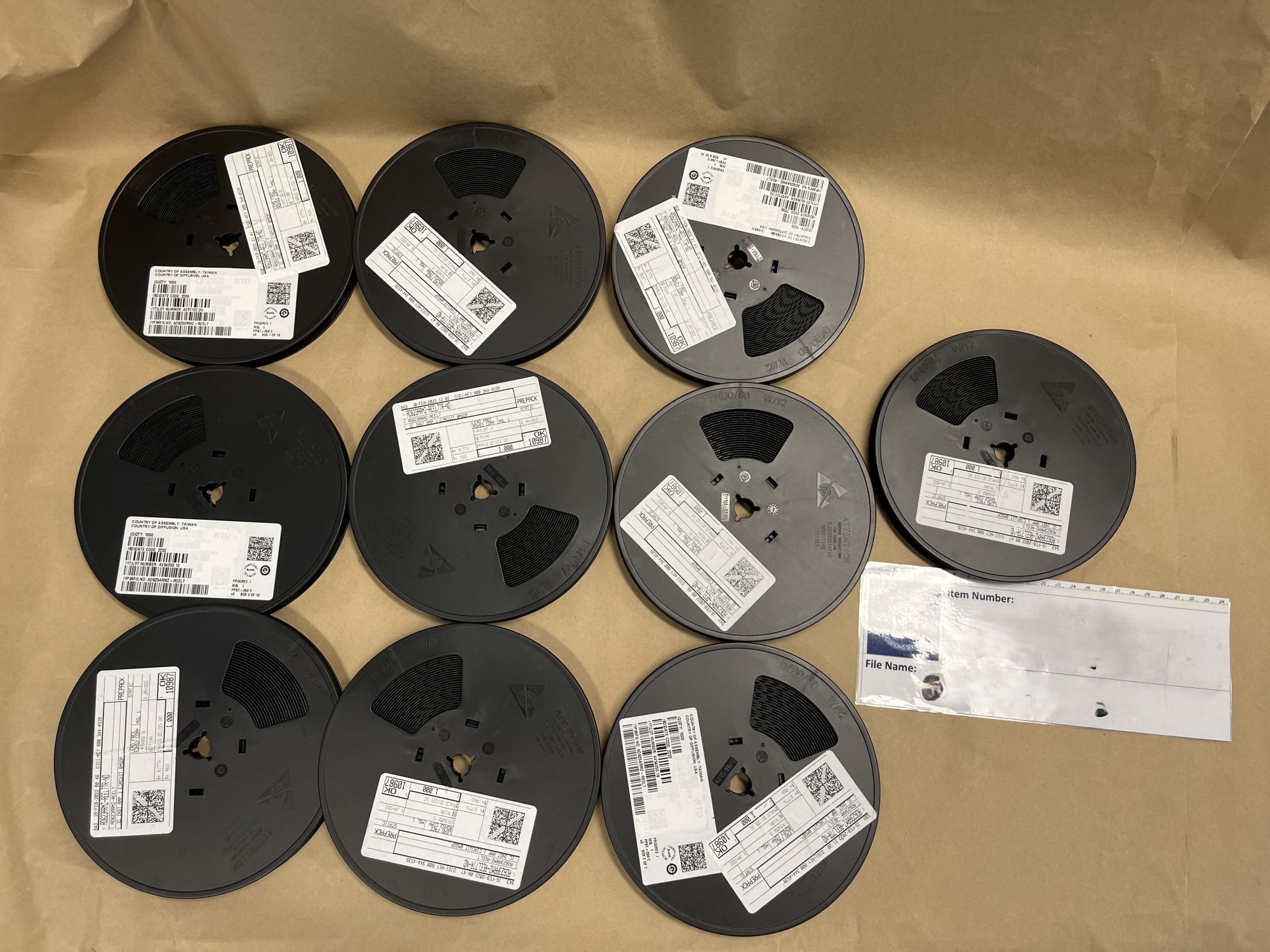
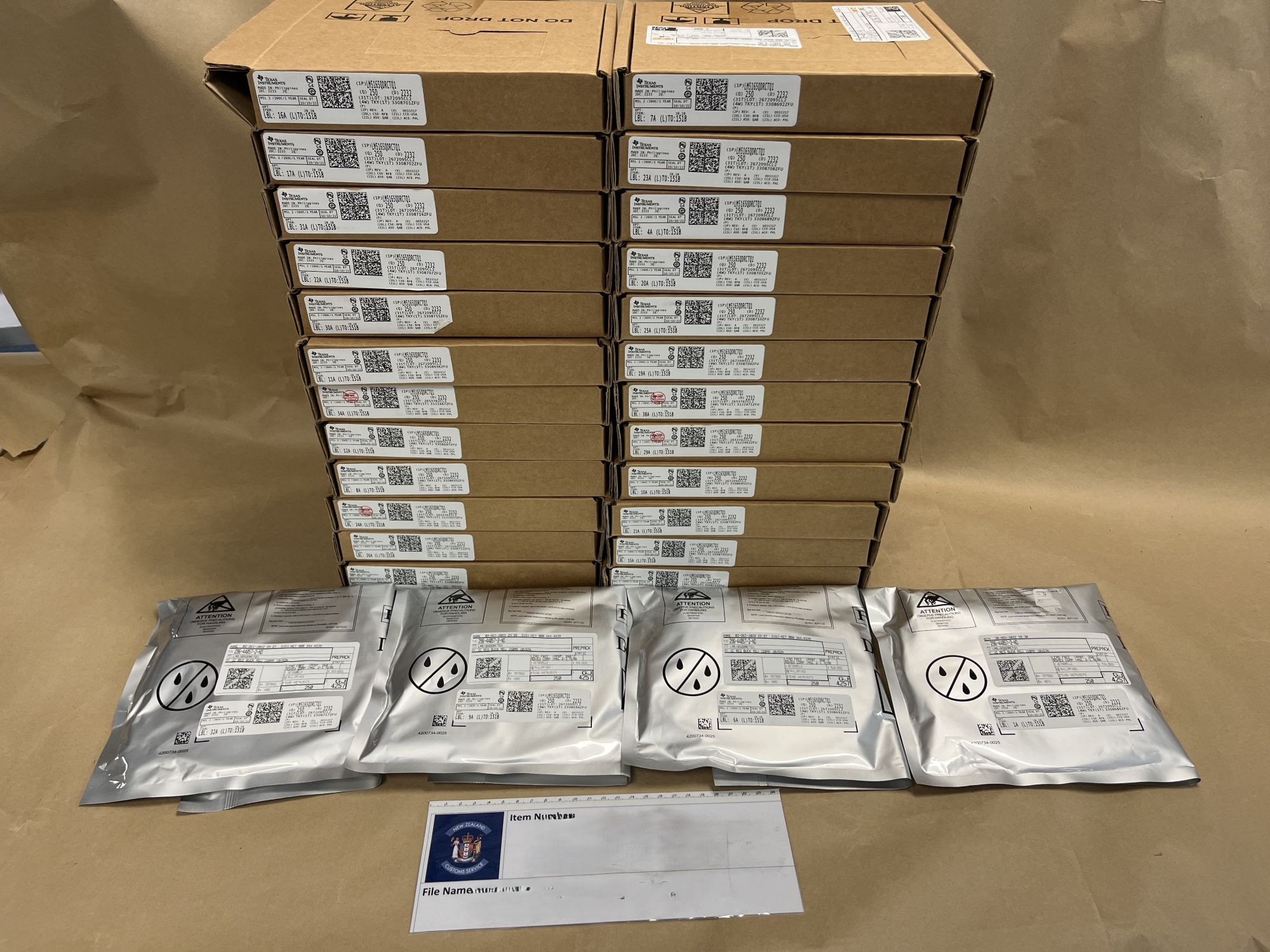
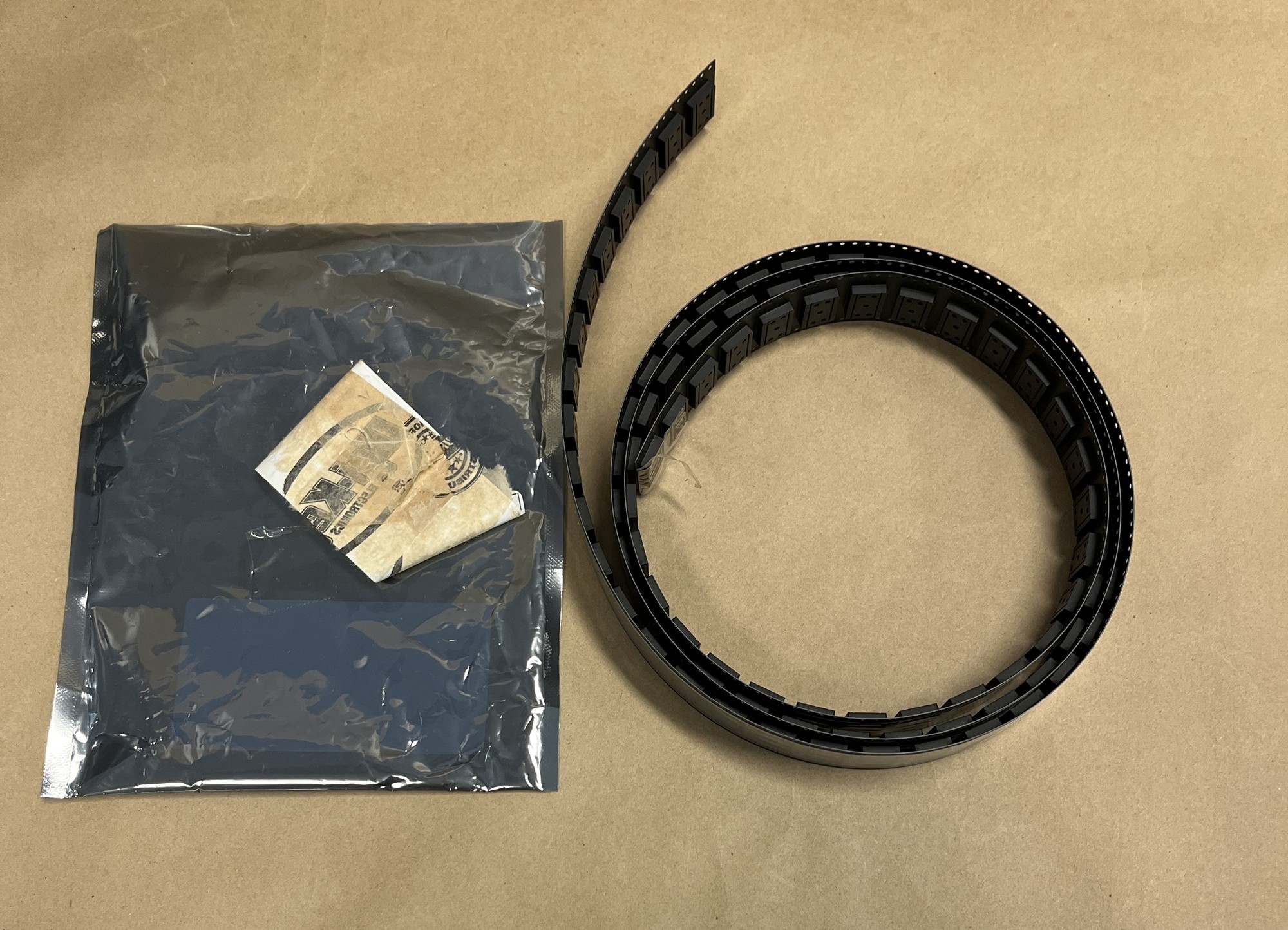
The company faced two charges in the Manukau District Court on 1 October 2026, for failing to notify the Ministry of Foreign Affairs and Trade (MFAT) before attempting to export 9,098 integrated circuits (ICs).
ICs can have legitimate uses in consumer electronics, computers and communications systems, but some can also be incorporated into military equipment, including drones, weapons-guidance systems and missile technology. These are known as dual-use goods.
On 7 March 2025, the company attempted to export 9,000 ICs to an entity in Singapore without notifying MFAT. On 31 March 2025, it attempted to export a further 98 ICs to an entity in Hong Kong, again without notifying MFAT.
The 9,098 ICs were seized as part of Customs’ investigation before the two consignments could be exported.
Customs Investigations Manager, Dominic Adams says this first-of-its-kind prosecution sets an important precedent that businesses cannot treat export controls as a box-ticking exercise.
“Exporters have a legal responsibility to understand what they are sending overseas, where it is going and how it may ultimately be used. Notifying the Ministry of Foreign Affairs and Trade allows authorities to assess the goods, the destination, the intended recipient, and its proposed use."
“These components may appear harmless, but in the wrong hands they could support drones, weapons-guidance systems or missile technology. The consequences could be devastating.
“Customs’ enforcement of these controls helps prevent weapons proliferation and reassures our international partners that New Zealand will act when exporters fail to meet their legal obligations.”
The investigation was carried out in coordination with the Ministry of Foreign Affairs and Trade, which provided advice on the classification of the components and their potential military use.